The Bounty of a Fallen Tree!
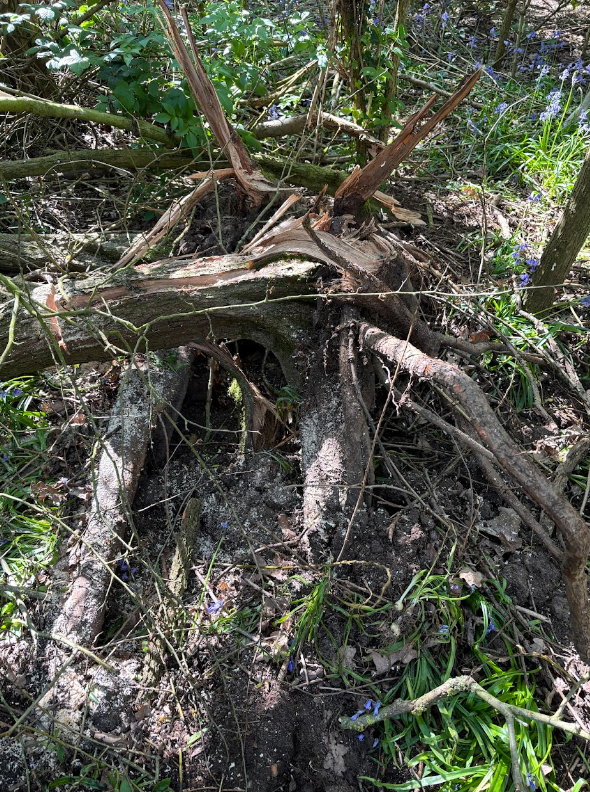
A huge willow tree blew down in our historic Victorian spinney in the spring storms this year. It also brought down and uprooted several smaller trees and blocked one of our paths. This was not a disaster, but an opportunity! Dr. Orton explains how a fallen tree can be a treasure trove for humans and wildlife.

Deadwood for the Forest
The big trunks can be used as deadwood (dead and decaying wood that stays in our woodlands). Deadwood is important for nutrient recycling, forest biodiversity, creating microhabitats for plants, fungi and animals. Bats, woodpeckers, willow tits, nuthatches and treecreepers especially use standing deadwood as a habitat. Click the link to read more about the importance of deadwood for the environment!

Clearing the path
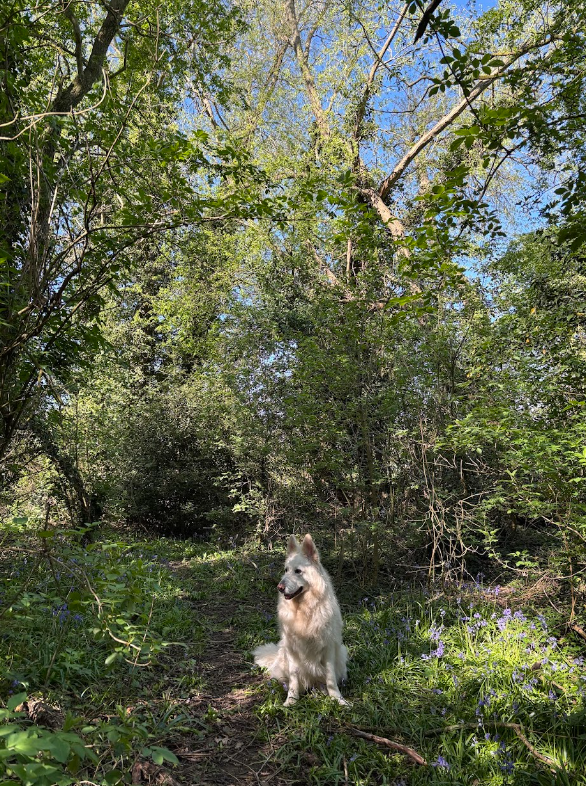
Even though it’s important to leave some deadwood in the spinney, we also need to clear the paths so that so that everyone—including elderly or disabled people and children—can enjoy the forest. But this means there are lots of opportunities to use the cleared branches!

Habitat Piles
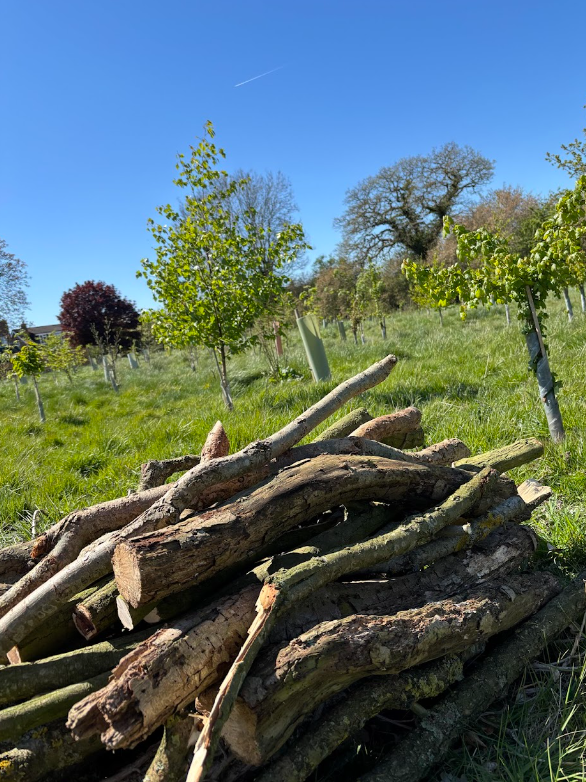
Some of the branches can be used to boost our existing habitat piles in the spinney: piles of logs and branches that can provide habitat for woodland creatures (who in turn provide food for other animals in the woods). Click the links to meet the baby owls, badgers and polecats who live in the spinney!

Other branches can be used as deadwood in our newly planted native wood. We are trying to establish this by encouraging pioneer trees to grow, but the area will benefit overall from the presence of habitat piles.

Warmth for Humans
Other logs can be seasoned for firewood to provide warmth for humans!

Find Out More
If you’re interested in conservation and wildlife, we have a blog series on British wildlife and a series on the people and wildlife of South Asia, from the altitudes of the Himalayas to the dense mangrove forests of Bangladesh!
We also offer online private tuition in our interdisciplinary course, Culture and Conservation, in which you can explore the links between our natural and cultural heritage and study wildlife and cultures from across the world! This is a template of a possible study route and can be combined, adapted, or designed from scratch to suit your interests and goals.
Dr. Orton will work with you to design a course of private tutorials tailored to your needs, ability and schedule. Click the link to find out what it’s like to work with her and contact us to find out more!
Do More
Think about your own area and how you can protect vulnerable but important parts of your own environment. You might even want to start your own project investigating the cultural importance of wildlife in your area. Dr. Orton works with independent scholars undertaking their own research for an independent project, people writing a book or simply those who have a personal interest. Click the link to find out what it’s like to work with her and contact us to get started!
Reach Out
We’d love to see what you’re doing to help wildlife in your area. Follow the Conservation highlight reel on the Orton Academy Instagram to see what we’re getting up to and tag us in to any snaps you put up!

