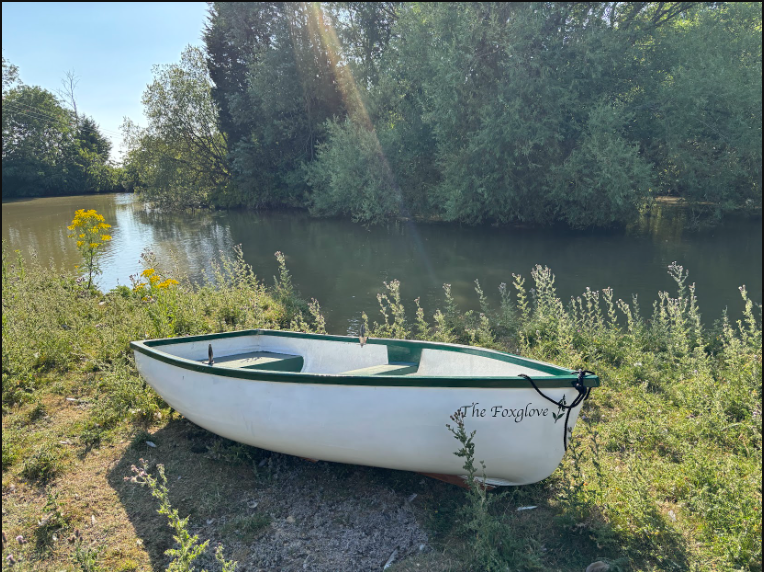
Highlights from a British Woodland
- Dec 29, 2025
- 3 min read
Dr. Orton reflects on some of the most special moments from our woodland animals in 2025!

All of the animals in our woodlands are special, but some of the highlights this year have included our foxes, polecats, tawny owls and their owlets!
Fantastic Foxes
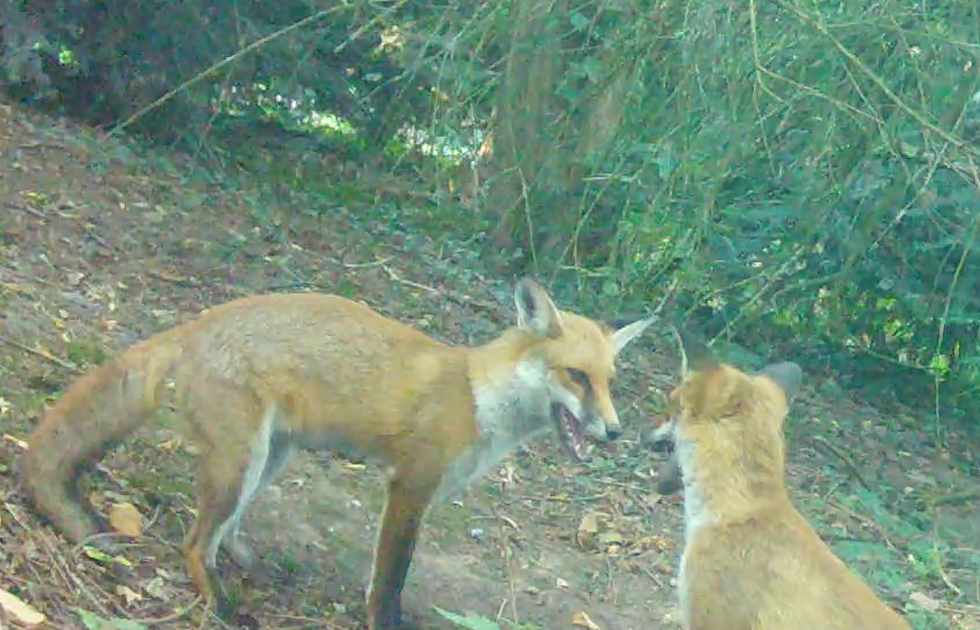
Foxes are one of my favourite animals and one of the most exciting things this year was watching our family of foxes grow up.

Our wildlife camera often captured the pair play-fighting in the spinney during the longer days. Click the link to read about how Leicestershire’s history of fox hunting created our Victorian spinney—a vital wildlife stronghold today.
Beautiful Bandits
We have exciting news of a conservation success story: our woodland is proven habitat for polecats!

The little bandit-masked mustelids were persecuted during the 18th and 19th centuries to the brink of extinction and are only just returning to the midlands. Unlike invasive mustelids, like the American mink, polecats are not a threat to other British wildlife.
In fact, their presence can help other wildlife because of their taste for rats reducing the number of predators on eggs or chicks–so their presence here is a win for all our animals!

Click the link to read more about our polecats or to learn about scientific and academic research into polecats.
Tawny Owls and their Owlets

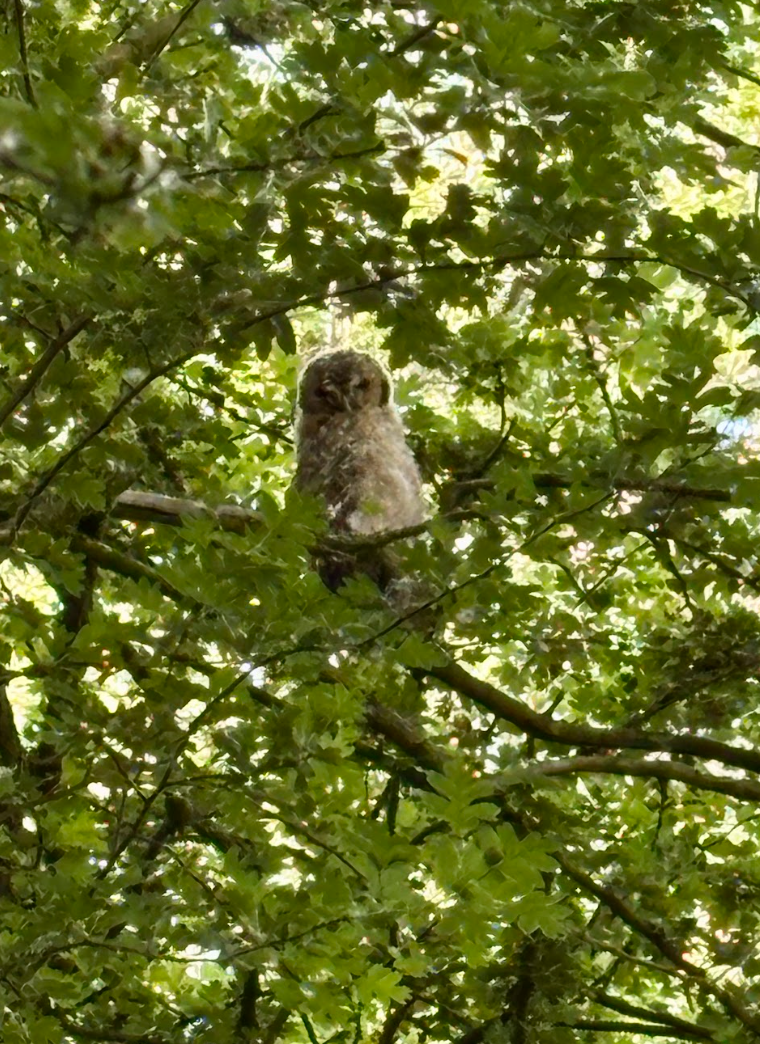
Our tawny owls, Mayweather and Dempsey, successfully bred this year and produced two of their own owlets! Click the link to read about our owls and their owlets!

It was a really magical experience to see one of the ‘branching’ (leaving the nest to spend several days in surrounding branches) this summer!
Click the links to meet some of the other animals that live in our woodland and find out about the animals in our woods at night!
Find Out More
If you’re interested in conservation and wildlife, we have a blog series on British wildlife and a series on the people and wildlife of South Asia, from the altitudes of the Himalayas to the dense mangrove forests of Bangladesh!
We also offer online private tuition in our interdisciplinary course, Culture and Conservation, in which you can explore the links between our natural and cultural heritage and study wildlife and cultures from across the world! This is a template of a possible study route and can be combined, adapted, or designed from scratch to suit your interests and goals.
Dr. Orton will work with you to design a course of private tutorials tailored to your needs, ability and schedule. Click the link to find out what it’s like to work with her and contact us to find out more!
Do More
For those who would like to take action to preserve our wild spaces, there’s plenty you can do. If you’re lucky enough to have some land, you could plant a wood from scratch (click the link to read about how we are planting our own native woodland). Even if you don’t have a big garden, there are plenty of things you can do to help biodiversity in your area. Why not put up a solitary bee nesting box or insect home, create a woodpile as a habitat for small creatures or leave small areas of your garden to go wild?
Think about your own area and how you can protect vulnerable but important parts of your own environment. You might even want to start your own project investigating the cultural importance of wildlife in your area. Dr. Orton works with independent scholars undertaking their own research for an independent project, people writing a book or simply those who have a personal interest. Click the link to find out what it’s like to work with her and contact us to get started!
Reach Out
We’d love to see what you’re doing to help wildlife in your area. Follow the Conservation highlight reel on the Orton Academy Instagram to see what we’re getting up to and tag us in to any snaps you put up!