Birdlife of our Wildlife Pond
Updated: 2 days ago
Dr. Orton introduces some of the feathered guests on our wildlife pond!

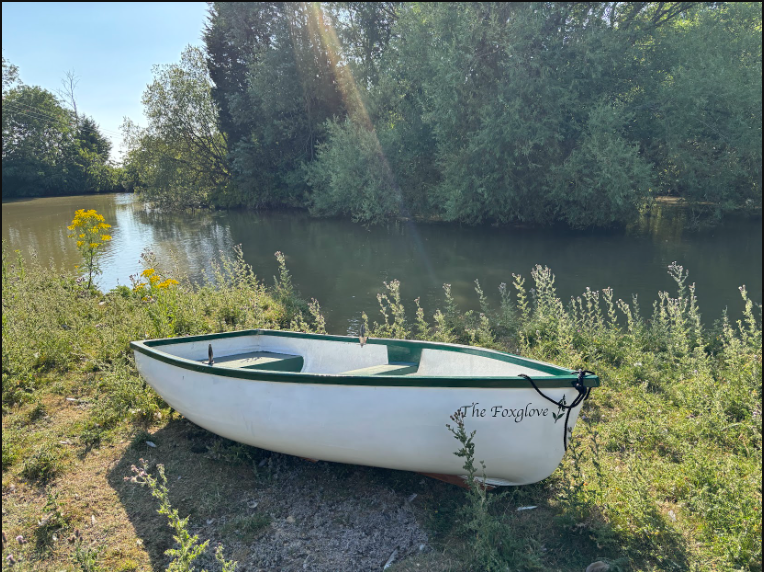
Earlier this summer, I renovated a rowing boat to use on the wildlife pond we created in the 1990s. We’ve been monitoring some of the birds who have visited the pond or made it their home.
Water Hens
Water hens (also called moorhens) are small black birds with yellow legs and red beaks that live on British lakes and rivers.

We had several baby water hens in April this year, and we can still see their nests on the water.

Mallards

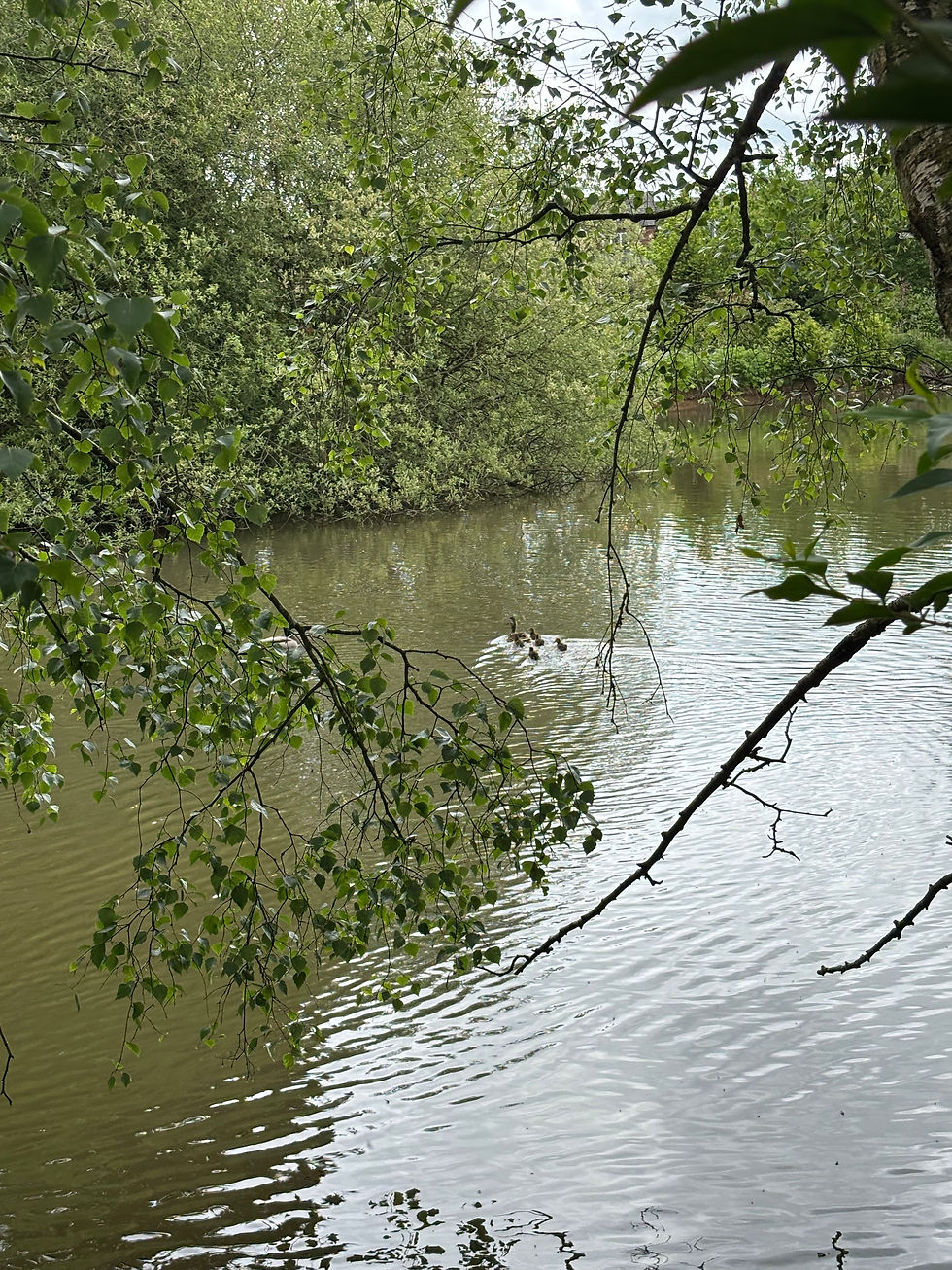
These are classic ducks! We had mallard babies in April this year.
Canada Geese
Canada geese aren’t native to the UK, but were brought over from North America. We know they were here in the seventeenth century from accounts like The Ornithology of Francis Willughby (1678). They often visit our pond and in April this year, we had a family with five goslings.

Herons
These long-legged, long-beaked grey-and-white birds love fishing in our pond! We had a visiting heron through most of August this year.

J. J. Manley, in his Literature of Sea and River Fishing, describes how heron’s fat was blended with other fats to smear on fishing lines in the seventeenth century.

There is also a satirical fourteenth-century French poem called Les Voeux du Héron (“The Vows of the Heron”) that uses the heron’s reputation for cowardice to suggest how Edward III was goaded into starting the Hundred Years’ War.
Cormorant
Cormorants are big black water birds with long necks and long, hooked beaks and we had a visiting cormorant in January this year.
There’s a lot of folklore surrounding them and they are depicted differently across different sources. John Milton says that Satan “sat like a cormorant…devising death” in his Paradise Lost.
However, in Peter Christen Asbjørnsen and Jørgen Moe’s The Cormorants of Utrøst, the cormorant inhabitants of the magical, hidden island of Utrøst watch over good-hearted fishermen and help them when they are in need.

They’re also associated with the transmigration of souls. In John Gregorson Campbell’s collection of oral narratives, Superstitions of the Highlands and Islands of Scotland, the cormorant “passes through three stages of existence; it is “seven years a scart (pelecanus cristatus), 227 seven years a speckled loon (colymbus arcticus), and seven years a cormorant (pelecanus carbo).”
Find Out More
If you’re interested in conservation and wildlife, we have a blog series on British wildlife and a series on the people and wildlife of South Asia, from the altitudes of the Himalayas to the dense mangrove forests of Bangladesh!
We also offer online private tuition in our interdisciplinary course, Culture and Conservation, in which you can explore the links between our natural and cultural heritage and study wildlife and cultures from across the world! This is a template of a possible study route and can be combined, adapted, or designed from scratch to suit your interests and goals.
Dr. Orton will work with you to design a course of private tutorials tailored to your needs, ability and schedule. Click the link to find out what it’s like to work with her and contact us to find out more!
Do More
For those who would like to take action to preserve our wild spaces, there’s plenty you can do. Even if you don’t have a big garden, there are plenty of things you can do to help biodiversity in your area. Why not put up a solitary bee nesting box or insect home, create a woodpile as a habitat for small creatures or leave small areas of your garden to go wild?
Think about your own area and how you can protect vulnerable but important parts of your own environment. You might even want to start your own project investigating the cultural importance of wildlife in your area. Dr. Orton works with independent scholars undertaking their own research for an independent project, people writing a book or simply those who have a personal interest. Click the link to find out what it’s like to work with her and contact us to get started!
Reach Out
We’d love to see what you’re doing to help wildlife in your area. Follow the Conservation highlight reel on the Orton Academy Instagram to see what we’re getting up to and tag us in to any snaps you put up!